How to Fix a Clogged Sink (6 DIY Methods + When to Call a Plumber)
Standing water in a kitchen or bathroom sink is frustrating, but it does not always mean you need a plumber right away. Many sink clogs form close to the drain opening and can be cleared with a few basic tools and a little patience.
If you're wondering how to fix a clogged sink, this guide walks through six DIY methods, explains what to avoid, and helps you recognize when it's time to call a professional plumber in Cincinnati or Dayton.
How do you fix a clogged sink?
To fix a clogged sink, work from the simplest method to the most involved: plunge the drain, then check and clean the P-trap, then use a drain snake, and finally flush with boiling water and salt or a baking soda-and-vinegar mix. Most single-fixture clogs in a kitchen or bathroom sink clear with these steps in under 30 minutes. If every drain in the home is slow or water backs up between fixtures, the blockage is likely in the main line and needs a licensed plumber.
A clogged sink drain is often caused by grease, food particles, soap residue, hair, or other debris collecting inside the pipe. Starting with the easiest fixes saves time and prevents unnecessary damage.
6 Ways to Unclog a Sink Yourself
1. Plunge It
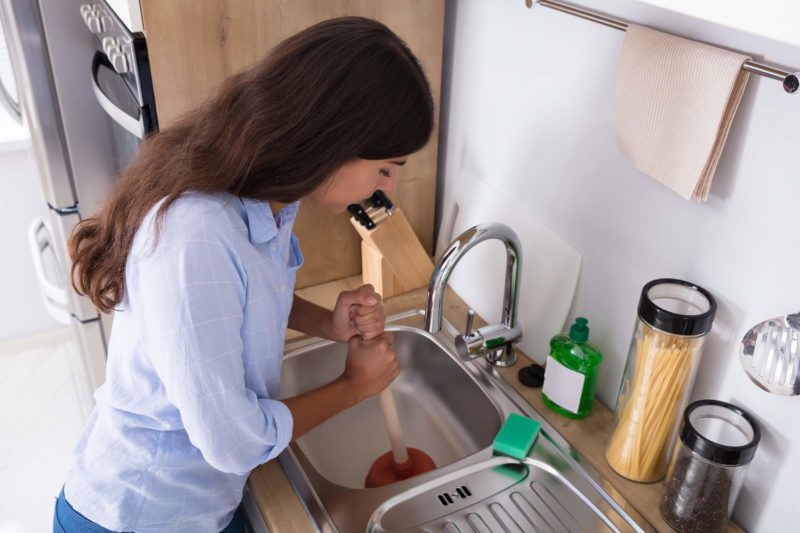
Start with a sink plunger. Add enough water to cover the plunger cup, create a tight seal over the drain, and pump firmly several times.
The pressure can break apart many clogs near the drain opening. This method works well for unclogging a bathroom or kitchen sink.
2. Check and Clean the P-Trap
Place a bucket under the curved pipe beneath the sink. Remove the fittings carefully and inspect the trap for hair, grease, food debris, or buildup.
If you've ever wondered how to clean a sink P-trap, the process is often as simple as removing the blockage and rinsing the pipe thoroughly before reinstalling it.
3. Use a Drain Snake or Auger
Insert a drain snake into the drain opening and feed it through the pipe until you reach resistance.
Rotate the cable to break up or retrieve the clog. This approach reaches deeper blockages that plungers cannot access and is one of the most effective ways to unclog a sink.
4. Flush with Boiling Water and Salt
Pour a half cup of salt into the drain, followed by boiling water.
This method works best on grease and soap buildup. Allow the mixture to sit for several minutes before running hot water through the drain to check flow.
5. Try Baking Soda and Vinegar
Many homeowners ask about using baking soda and vinegar to unclog a drain.
Pour one-half cup of baking soda into the drain, followed by one cup of vinegar. Let the mixture sit for 15 to 30 minutes before flushing with hot water. This method works best on minor buildup and odors rather than heavy clogs.
6. Clear the Garbage Disposal
Kitchen sink clogs sometimes originate in the garbage disposal.
Turn off power to the unit before inspecting it. Remove visible debris, reset the disposal if needed, and run water while operating the unit to confirm proper drainage.
Why You Should Avoid Chemical Drain Cleaners
Yes - chemical drain cleaners can do more harm than good. The heat and caustic chemicals they generate can corrode and crack older or PVC pipes, damage septic systems, and create burn and fume hazards, while often only partially clearing the clog. Apollo Home recommends mechanical methods (plunger, snake, P-trap cleaning) first, and professional drain clearing for anything those can't reach.
The U.S. Environmental Protection Agency warns consumers to use caution with chemical products and follow safety instructions carefully. Chemical cleaners frequently remain trapped in standing water, creating risks for anyone working on the drain afterward.
For more information, visit the EPA Household Hazardous Waste Guidance and EPA Safer Choice Program.
Drain Clearing vs. Drain Cleaning: What's the Difference?
Drain clearing punches a path through a blockage to get water flowing again, while drain cleaning scours the entire inside of the pipe to remove built-up grease, scale, and debris. Clearing is the fast fix for a sudden single clog. Cleaning is the longer-term solution for recurring clogs and helps prevent future backups.
If recurring sink clogs continue returning, professional drain cleaning often addresses buildup left behind after basic clearing methods.
For severe buildup, Apollo Home may recommend hydro jetting to restore pipe flow and reduce future clogging.
When to Call a Professional Plumber
DIY methods work for many localized clogs, but certain warning signs point to a larger issue.
Call a plumber if you notice:
- Multiple drains clogging at the same time
- Water backing up into another fixture
- Gurgling sounds from drains
- Sewage odors indoors
- Repeat clogs that keep returning
- Standing water that does not respond to DIY methods
These symptoms frequently indicate a main drain line issue rather than a simple sink blockage.
Apollo Home's licensed plumbers can identify the source of the problem and recommend the right repair.
How to Prevent Future Sink Clogs
Preventing a slow draining sink is usually easier than clearing a blockage after it forms.
- Use sink strainers to catch debris.
- Keep grease, oils, and fats out of kitchen drains.
- Install hair catchers in bathroom sinks and showers.
- Flush drains monthly with hot water.
- Schedule routine maintenance when drainage problems become frequent.
- Follow best practices that help keep your drains clear throughout the year.
Small habits can significantly reduce the likelihood of future clogs and expensive drain repairs.
Clogged Sink & Drain Repair in Cincinnati & Dayton
A clogged sink can interrupt your day, but the right solution depends on what's causing the blockage. While many minor clogs respond to DIY methods, recurring backups, slow drains throughout the home, and sewer-related issues require professional attention.
Apollo Home provides drain and plumbing services throughout Cincinnati and Dayton. If DIY methods are not solving the problem, our team is available to diagnose the issue and restore proper drainage.
Schedule Online or call (513) 443-4212 today.
Schedule Online
Frequently Asked Questions
A clog confined to one fixture is almost always a localized blockage in that sink's trap or branch line, not your main sewer. Hair, soap scum, grease, or food usually collect at the P-trap and can often be cleared with a plunger or snake.
Baking soda and vinegar can break down light grease and freshen a smelly drain, but the reaction is gentle and rarely clears a solid clog on its own. Follow it with boiling water and use a plunger or snake for stubborn blockages.
Boiling water is safe for metal and most PVC drains and works well on grease and soap clogs. Avoid pouring boiling water directly onto porcelain fixtures and avoid using it on damaged piping.
Call a plumber if multiple drains are slow, water backs up into another fixture, you hear gurgling sounds, or DIY methods fail. These symptoms point to a deeper blockage that requires professional equipment.
Many single-fixture clogs can be cleared in less than 30 minutes using a plunger, P-trap cleaning, or a drain snake. More severe blockages may require professional service.