Heat Pump Frozen in Winter? How to Defrost It Safely
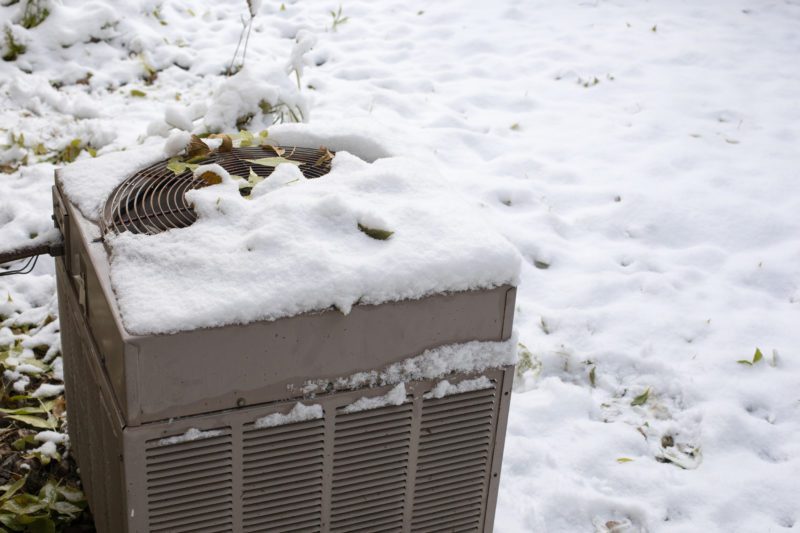
Light frost on your outdoor heat pump is normal during a Cincinnati winter. Thick ice that stays on the coil or fan is not. Heavy ice can reduce heating performance and damage your equipment. Let the automatic defrost cycle run, check for blocked airflow, and call a technician if the ice doesn't clear.
Is Frost on a Heat Pump Normal?
Look at your outdoor unit without touching the coil or opening any panels. Here's how to tell normal frost from a problem.
| What You See | Normal or Problem? | What to Do |
|---|---|---|
| Thin frost that clears | Normal | Let defrost run |
| Steam or dripping water | Normal | No action needed |
| Outdoor fan briefly stops | Normal | Wait for cycle |
| Solid ice around coil or fan | Problem | Call for service |
| Ice remains for hours or heat drops | Problem | Schedule repair |
Why Do Heat Pumps Ice Up?
In a nutshell, it’s all about the water vapor. Even the cold, dry air outside your Cincinnati home contains small amounts of water vapor. When it reaches its dew point, the water vapor undergoes a phase change into liquid form.
Now consider your heat pump’s refrigerant runs up to 20 degrees colder than the air outdoors. If the cold weather is just right, around 20 to 40 degrees with a relative humidity above 70 percent; there’s a good chance that frost will form all over the condenser coils.
To prevent frost formation, a heat pump occasionally undergoes a defrost cycle. This essentially takes all of the heat that’s being transferred inside your home and instead sends it back outdoors through the condenser coils, thus melting the ice that forms around the unit.
Unfortunately, this may not be enough to remove severe ice formation. In some cases, an underlying problem may prevent the defrost cycle from working. Repeated ice buildup can point to airflow restrictions, refrigerant problems, blocked drainage, or faulty controls.
Your Heat Pump’s Defrost Cycle
All heat pumps, regardless of the age, have a built-in defrost cycle. This is the system’s method for defrosting a heat pump. The older units have a mechanical timer that triggers the cycle, while newer units are controlled by a solid state control module and temperature sensors. Either way, the system itself works the same.
A well-running heat pump enters defrost mode when its controls call for it. The cycle generally lasts several minutes, depending on the equipment and outdoor conditions.
The system reverses refrigerant flow to warm the outdoor coil and melt ice. The outdoor fan stops briefly to keep the coil from cooling during defrost.
You may see steam or dripping water outside. Indoor supply air can feel cooler for a short time, and some systems use backup heat during defrost.
How to Defrost a Heat Pump
Your heat pump should remove normal frost automatically. If ice starts building up, these checks help you decide what to do next.
- Allow the unit to complete its normal defrost cycle.
- Check for loose snow, leaves, or debris blocking airflow around the outdoor unit.
- Inspect your indoor air filter and replace it if dirty.
- Make sure supply vents and return grilles are open.
- Look for gutter leaks or downspouts draining onto the outdoor unit. Damaged gutters or improper pitch can send water onto the heat pump, where it freezes.
- If thick ice remains, shut the system down and call for professional service.
What Not to Do to a Frozen Heat Pump
Above all, handle your heat pump with care to avoid unnecessary damage and repairs. Trying to break or melt the ice yourself can damage the outdoor coil or fan.
- Do not chip, pry, or scrape ice from the unit.
- Do not use boiling water, a hose, hair dryer, heat gun, or open flame.
- Do not remove panels or handle refrigerant and electrical components.
- Do not repeatedly reset breakers or force a defrost cycle.
My Defrost Cycle Isn’t Working
Tried all of the steps we listed, but you’re still not having any luck? If your heat pump keeps freezing, the problem may involve:
- Wiring problems
- Thermostat malfunction
- An outdoor coil that's dirty or covered with debris
- Restricted indoor airflow or a dirty filter
- Faulty defrost sensors or controls
- Reversing-valve or outdoor-fan failure
- Low refrigerant or blocked meltwater drainage
If the fan strikes ice, the breaker trips, your home isn't warming, or the unit makes grinding noises, these are signs your heat pump needs to be repaired. Shut the system down and call for heat pump repair in Cincinnati. If your older heat pump has repeated major failures, we'll check its condition and discuss heat pump replacement during the repair assessment.
If you need emergency heat while waiting for service, follow your equipment's manual or your technician's instructions.
How to Prevent a Heat Pump From Freezing
Keep leaves, weeds, and snow away from the outdoor unit while maintaining the manufacturer's required clearance. Check your air filter regularly and keep gutters from draining onto the equipment.
Schedule regular heat pump maintenance before winter. Apollo's Care Plan provides ongoing service to check heating performance and equipment condition.
Heat Pump Repair from Apollo Home
If your heat pump's defrost cycle isn't clearing the ice, Apollo Home can inspect the equipment and repair the problem.
We've served Cincinnati-area homeowners since 1910. Our NATE-certified technicians provide heating service throughout Cincinnati, Dayton, and Northern Kentucky, with 24/7 support for urgent repairs.