Why Is My Outdoor Spigot Leaking?
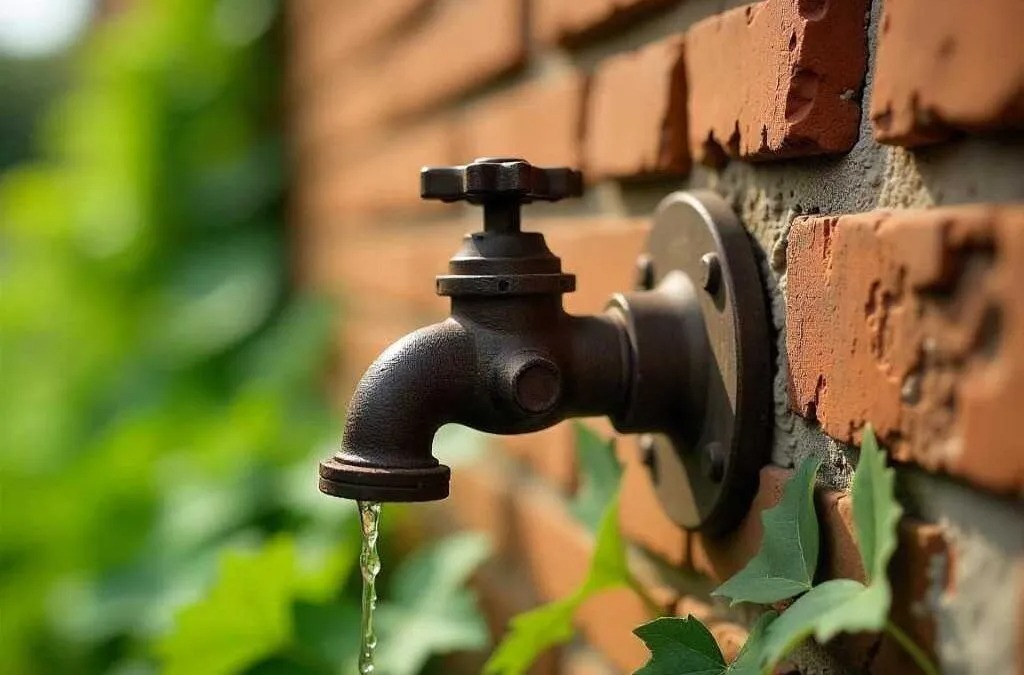
An outdoor spigot most often leaks because of a worn rubber washer, a loose packing nut behind the handle, a failed vacuum breaker, or damage caused by freezing temperatures. A drip from the spout usually points to a worn washer, while water around the handle often indicates a loose packing nut. In Cincinnati and Dayton, freeze damage is another common culprit after winter.
The good news is that many outdoor faucet leaks are minor and can be repaired with a few basic tools. Understanding where the leak is coming from is the first step toward deciding whether it's a simple DIY repair or time to call a professional plumber. And it pays to act sooner rather than later: according to the U.S. Environmental Protection Agency, a faucet that leaks at just one drip per second wastes more than 3,000 gallons of water per year.
The Most Common Reasons an Outdoor Spigot Leaks
Most outdoor spigot leaks can be traced to a handful of common issues. Identifying the source of the leak helps you determine the appropriate repair and can prevent more serious water damage.
Worn or Damaged Washer
A worn rubber washer is the most common reason an outdoor spigot drips after it has been turned off. Over time, repeated use causes the washer inside the faucet to flatten, crack, or wear out, preventing it from creating a complete seal.
If your spigot slowly drips from the end even when fully closed, replacing the washer is often an inexpensive and effective repair.
Loose or Worn Packing Nut
If water leaks from behind the faucet handle while the spigot is turned on, the packing nut is usually to blame. The packing nut compresses material that seals the valve stem, but vibration and normal wear can cause it to loosen over time.
In many cases, tightening the packing nut slightly with adjustable pliers stops the leak immediately. If tightening doesn't solve the problem, the packing material or O-ring may need replacement.
Frost or Freeze Damage
Ohio winters can be especially hard on outdoor plumbing. When water freezes inside a hose bib or supply pipe, it expands and can crack the faucet or pipe inside the wall.
The damage often isn't noticeable until spring when the water is turned back on. If you hear water running inside the wall or notice moisture indoors when using the outdoor faucet, freeze damage is a likely cause and should be addressed quickly.
Failed Vacuum Breaker
Many modern frost-free outdoor faucets include a vacuum breaker to help prevent contaminated water from flowing back into your home's plumbing.
When this component fails, water may leak from the top of the faucet while it's running. Fortunately, replacement vacuum breaker kits are inexpensive and often restore proper operation without replacing the entire faucet.
Worn Valve Seat or Cracked Spigot Body
Mineral buildup, corrosion, or years of use can damage the valve seat inside the faucet or even crack the faucet body itself.
When these components wear out, replacing individual parts may no longer be practical. Installing a new outdoor spigot is often the most reliable long-term solution.
How to Tell Where the Leak Is Coming From
The location of the leak usually tells you what's causing it. Watching when and where water appears can quickly narrow down the problem before you begin repairs.
| What You Notice | Most Likely Cause |
|---|---|
| Water drips from the spout when the faucet is fully off | Worn washer or valve seat |
| Water sprays behind the handle when the faucet is on | Loose or worn packing nut |
| Water leaks from the top while the faucet is running | Failed vacuum breaker |
| Water leaks inside the wall or you hear water indoors | Frost-cracked pipe — call a plumber |
How to Fix a Leaking Faucet Spigot Yourself
Many outdoor faucet leaks can be repaired safely with a few common tools. If you're comfortable performing basic home maintenance, follow these steps:
- Turn off the water supply to the outdoor spigot or shut off your home's main water supply.
- Open the spigot completely to relieve pressure and drain any remaining water.
- Tighten the packing nut about one-eighth to one-quarter turn using adjustable pliers.
- If the leak continues, remove the handle and valve stem, then replace the worn washer and O-ring.
Reassemble the faucet, restore the water supply, and test the spigot for leaks.
If the faucet body is cracked, water is leaking inside the wall, or you're unable to access the shutoff valve, stop the repair and contact a licensed plumber.
Should You Repair or Replace Your Outdoor Spigot?
Minor problems—worn washers, O-rings, or a loose packing nut—are almost always worth repairing and can usually be resolved with a simple parts replacement. Replacement tends to make more sense when the faucet body is cracked, heavily corroded, or has been damaged by freezing, since patching individual parts on a failing spigot is often a short-lived fix. If your spigot is older and has already needed repeated repairs, upgrading to a new frost-free hose bib is typically the more reliable long-term choice.
When to Call a Professional Plumber
A slow drip isn't usually an emergency, but some outdoor faucet leaks require professional attention.
Call a plumber if you notice:
- Water leaking inside your home's walls
- A cracked outdoor faucet or supply pipe
- Water damage around the foundation or basement
- A leak that continues after replacing the washer or tightening the packing nut
- No accessible shutoff valve for the repair
Hidden plumbing leaks can lead to structural damage, mold growth, and costly repairs if left untreated. Professional diagnosis can identify problems before they become larger issues.
If your outdoor faucet needs repair or replacement, Apollo Home provides expert plumbing services throughout Cincinnati and Dayton. Whether it's a leaking hose bib, frozen pipe damage, or a complete faucet replacement, our licensed plumbers can help restore your plumbing quickly and safely.
How to Prevent Spigot Leaks (Especially During Winter)
Preventive maintenance can significantly extend the life of your outdoor faucets.
Before freezing temperatures arrive:
- Disconnect all garden hoses.
- Shut off and drain outdoor water lines if your home has interior shutoff valves.
- Install insulated faucet covers for additional freeze protection.
- Inspect for slow drips or loose fittings before winter begins.
- Consider upgrading older faucets to frost-free hose bibs for added protection.
Taking these simple steps each fall can help prevent burst pipes and expensive repairs after winter.
Call Apollo Home for Outdoor Faucet Repair
If your outdoor spigot is still leaking after a basic repair—or you suspect a cracked pipe, freeze damage, or a leak inside the wall—contact Apollo Home for help. Our licensed plumbers provide outdoor faucet repair and replacement throughout Cincinnati and Dayton.
Schedule plumbing service online or call Apollo Home at (513) 443-4212 to have the leak inspected before it causes additional water damage.
Schedule Online
Frequently Asked Questions
Usually not. A slow drip from the faucet is rarely an emergency, but a leak inside the wall or a pipe damaged by freezing should be addressed immediately because hidden water can cause structural damage and mold. If you cannot stop the water or notice water pooling indoors, shut off the main water supply and call a plumber.
It depends on the type of leak. A small drip from the spout may still allow temporary use, but continued leaking wastes water and typically worsens over time. If water is leaking around the handle or inside the wall, stop using the faucet until it can be repaired.
This often points to excessive pressure, a damaged hose washer, or a faulty vacuum breaker. Start by replacing the hose washer and inspecting the hose connection. If the problem continues, the faucet itself may need repair.
Minor problems like worn washers, O-rings, or loose packing nuts are usually worth repairing. However, if the faucet body is cracked, heavily corroded, or has suffered freeze damage, replacing the entire spigot is often the more dependable and cost-effective solution.
It's a good idea to inspect outdoor faucets at least twice a year—once in the spring after winter weather and again before freezing temperatures return in the fall. Regular inspections help catch small problems before they turn into major plumbing repairs.